Why Time Decay Can Surprise New Traders
Many beginners enter options trading expecting that getting the market direction right is enough to earn a profit. It sounds logical. If a stock rises after buying a call option, shouldn’t the trade make money?
Not necessarily.
One of the least appreciated forces in the options market is time decay, often called theta. Every day that passes removes a small portion of an option’s time value, even if the underlying asset barely moves. That slow erosion catches many new traders off guard because it works quietly until expiration begins to approach.
What Time Decay Really Eats Away
An option’s premium consists of intrinsic value and time value. Intrinsic value comes from the difference between the strike price and the market price. Time value represents the possibility that future price movement could make the option more valuable before expiration.
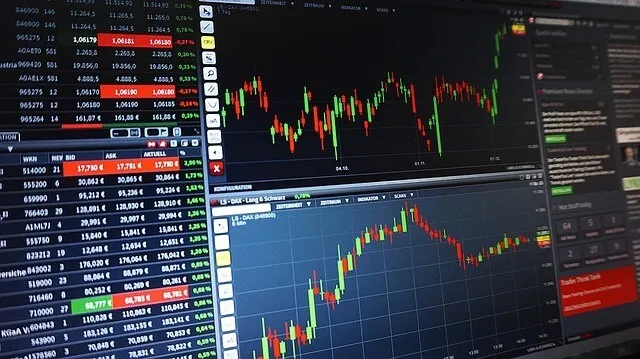
Image Source: Pixabay
That possibility shrinks every day.
Imagine a stock trading at $100 with a one-month call option priced at $3. If the stock remains around $100 for two weeks, the option may fall to $1.80 despite almost no change in the stock price. The trader correctly anticipated that the company would remain stable, but stability itself reduced the option’s worth because fewer opportunities remained for a meaningful move.
This is why holding an option is different from holding shares.
The Last Few Days Matter More Than the First Few Weeks
A common misconception is that time decay happens at a steady pace.
It does not.
The decline usually accelerates as expiration approaches. During the final week, premium can disappear surprisingly fast. Traders sometimes spend weeks waiting for a breakout, only to discover that even a late price move is not enough to recover what theta has already taken away.
That creates an unusual situation. A trader may finally see the market move in the expected direction yet still close the position with a loss because the move arrived too late.
A Market Scenario That Happens More Often Than You Think
Consider a major technology company preparing to release quarterly earnings. Implied volatility increases as traders expect larger price swings, making options more expensive.
A trader buys a call option three weeks before the announcement, expecting strong results. Earnings arrive, the stock rises 2 percent, and the trader checks the position expecting a healthy gain.
Instead, the option is worth less than the purchase price.
Why? The stock moved, but not enough to offset both the collapse in implied volatility after earnings and the time value that disappeared while waiting for the event. Many experienced traders have encountered this exact outcome during earnings season.
Why Buying More Time Can Sometimes Reduce Risk
Many beginners look for cheaper contracts with only a few days until expiration. Lower premiums feel safer because less money is invested upfront.
That intuition is often backwards.
Longer-dated contracts cost more, but they usually lose value more slowly on a daily basis. Paying a higher premium may actually provide greater flexibility because the trade has additional time for the expected price movement to develop.
Consider these practical differences:
- Contracts with more time generally experience slower daily theta decay.
- Short-dated options require larger price moves in less time.
- Unexpected market delays become less damaging when expiration is farther away.
- Longer expirations allow traders to adjust or exit positions with more flexibility.
Each point reflects a trade-off rather than a guarantee. Longer expirations require more capital, but they also reduce the pressure created by rapidly disappearing time value.
Looking Beyond Price Direction
Many trading lessons focus almost entirely on forecasting where prices will go next. Yet option pricing depends on multiple variables moving together. Direction is only one piece of the puzzle.
That is why experienced traders often spend as much time selecting expiration dates as they do analyzing charts. A solid market forecast paired with poor timing can produce disappointing results, while a slightly imperfect forecast with sufficient time remaining may have a much better chance of succeeding.
Understanding this relationship changes how traders evaluate risk. Instead of asking only whether a stock will rise or fall, they begin asking when that move is likely to happen and whether the remaining premium justifies staying in the trade.
The next time you explore options trading, pay as much attention to the calendar as you do to the chart. Expiration is not just a date at the bottom of the contract. It is an active force that changes the value of every option, even on the quietest trading day.